Don't miss our holiday offer - up to 50% OFF!

The Silent Brass of Kharkiv

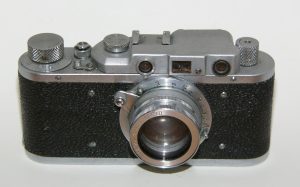
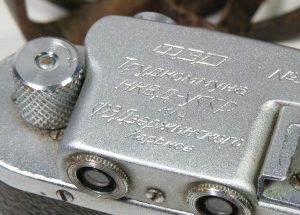
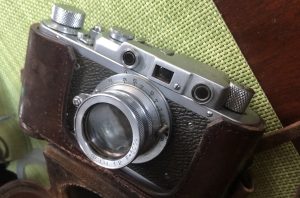
You rest quietly on my desk tonight, small and austere, a survivor of a vanished world. Your metal still holds the scent of oil and time, your leather cracked like old hands. I trace your engraving — “ФЭД Трудкоммуна НКВД – УССР им. Ф. Э. Дзержинского. Харьков” — and it feels less like a mark of pride than a gravestone rubbing.
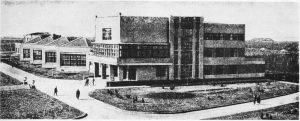
I imagine the factory that made you — not a factory, really, but a miracle out of broken childhoods. There, in Kharkiv, the hum of lathes and the clatter of small hands replaced the silence of hunger.
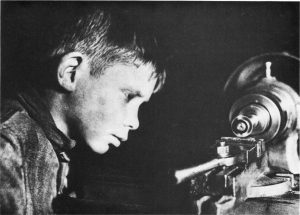
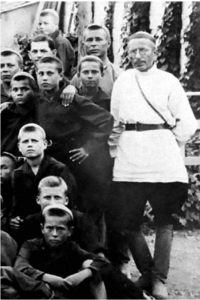
Children once lost to the streets were given bread, a bed, and something rarer still: purpose. Under the stern gaze of Anton Makarenko, they learned to carve, to polish, to calibrate — until one day, they built you.
You are their memory made visible.
A body of brass and glass, breathing still, decades after the boys who made you turned to dust.
When I wind your shutter and hear that sharp metallic breath — it feels as if one of them, just for a second, exhales again.
The Commune and the Children
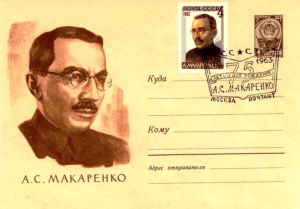
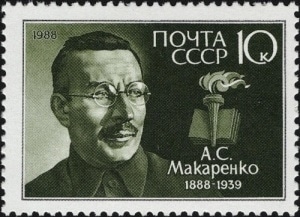
They called it a commune — a word that tried to sound gentle, though it stood at the intersection of discipline and hope. In the years after the revolution, Kharkiv was a city of ruins and barefoot children.
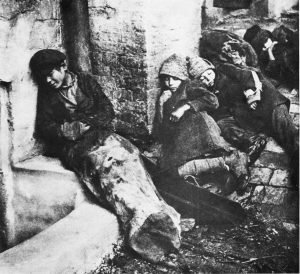
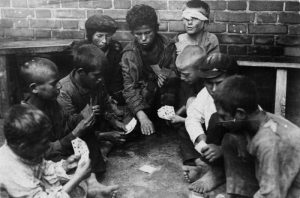
Anton Makarenko, an educator with a stern gaze and an improbable faith in humanity, was given an impossible task: to reform the lost youth of a country still bleeding.
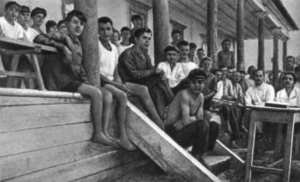

He ended the hunger. With routine. With dignity. The children learned to work, to measure, to care for the smallest details — lessons that would one day find their way into gears and lenses.
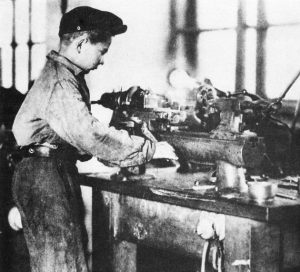
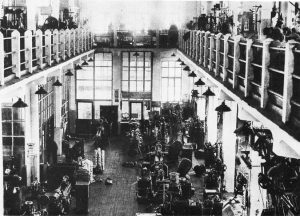
Their tools were primitive, their machines old, yet the patience in their hands became their true precision instrument.
And over them all lingered a name — Dzerzhinsky. Felix Edmundovich.
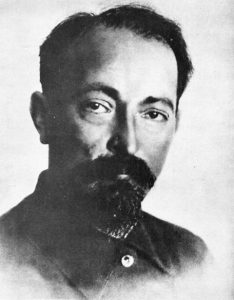
The founder of the Cheka, the man whose shadow stretched across the land. His name, stamped onto every FED camera, was both a promise and a warning. A strange duality: an emblem of salvation and control, of redemption built inside fear.
It is this tension that lives inside you still, little FED. You were born between two worlds — the tenderness of rescued children, and the iron will of a state that needed order. And somehow, through their hands, you became something beautiful.
The Birth of the FED Camera
Every nation dreams in metal and glass at some point.
For the Soviet Union, that dream took the shape of a small black camera — simple, sturdy, precise. In 1932, within the walls of Makarenko’s commune, someone placed a Leica on the workbench. It was German, elegant, and utterly unattainable. But to the young workers of Kharkiv, it wasn’t a symbol of foreign luxury. It was a challenge.
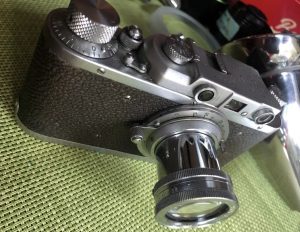
They studied it, measured it, took it apart, and dared to imagine they could make their own. And they did — with files and screwdrivers, by hand, without the gleam of modern machinery. Their creation was not perfect, but it was alive. It carried the warmth of their effort, the imperfection of their fingers, and the precision of their hope.
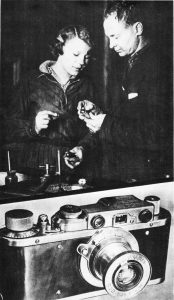
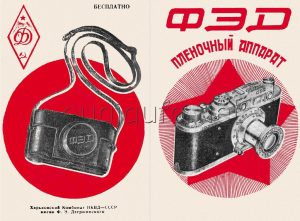
By 1934, the first FED cameras were born — named after Felix Edmundovich Dzerzhinsky, though their true godfather was Makarenko, and their real parents were the children themselves. The FED was the Soviet Leica, but also something else — an object of redemption. A proof that broken lives could build beauty.

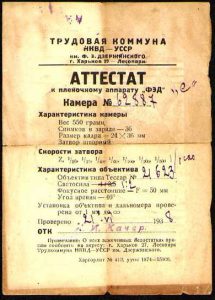
And then came your kind — the FED-1S, or rather the ФЭД-1C, that rarest of the early tribe. A faster shutter, a brighter lens, perhaps reserved for officers or commanders.
You were not meant for the masses.
You were meant for someone who had survived — or commanded survival.
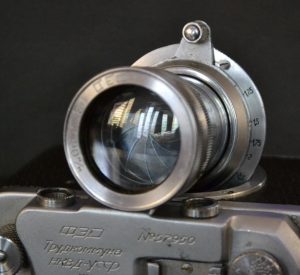
And yet, here you are now, on my desk, long after your commanders and your children have vanished.
Only you remain, small and silent, holding the echo of both.
Listening to a Camera
Tell me, little FED, whose hands first touched you?
Was it a boy with sleeves too short for his wrists, his breath fogging the cold window of the workshop? Did he polish your lens while dreaming of light he might never photograph himself?
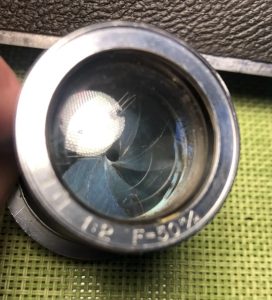
Did he check your shutter by ear, listening not for perfection but for rhythm — like a heart that had finally learned to beat again?
I imagine his fingers, trembling not from fear but from care.
He didn’t know he was making history. He was simply repairing himself through you. Each screw he turned was a fragment of trust regained — that the world could still be assembled, piece by piece, into something that worked.
And when you were finished — when your body of brass and glass stood whole — perhaps he smiled. Perhaps for a moment, he forgot the years of hunger, the streets, the cold.
Perhaps he looked through your lens and saw himself — small, distorted, but there.
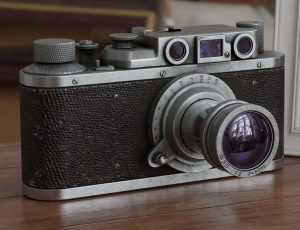
Now, decades later, I hold you as he once did.
My hands are warmer, my table quieter, but I still feel the echo of his heartbeat through your frame.
Your shutter speaks the same syllable of time.
And when I lift you to my eye, it’s not the world I see —
it’s him, alive again, in the moment of making you.
A Camera That Remembered
When I hold you now, little FED, I know you are more than a camera.
You are a relic of compassion disguised as machinery.
Every mark, every scratch upon your body is a syllable of human endurance. You have outlived your makers, your owners, even the country whose emblem you once bore with pride and fear.
You were built to see — but you have also been seen.
Handled by children who learned that precision could heal; later by soldiers who carried you through the smoke of wars; and now by me, who simply listens.
You have captured faces, ruins, sunlit mornings — and still you carry, deep within, the fingerprints of boys who first gave you breath.
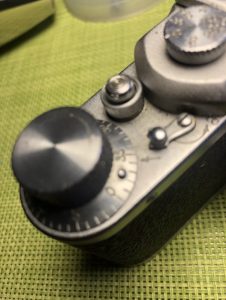
I wind your lever one last time and release the shutter.
The sound is small, but in it lives a century.
It is the sound of survival, the click of memory continuing.
You are proof that beauty can emerge from command, mercy from control, light from the darkest hands.
You are not only a witness — you are a survivor who remembers when no one else does.
Sleep now, little FED.
Your duty is done, and your memory endures.
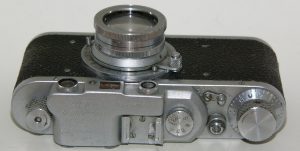
Post Scriptum: Oh the little hands that sculpted you, my little FED… Looking at your predecessor, one of the surviving prototypes, I am transported back into your own time; when those little hands – children saved from starvation and the streets – were learning to build you. What a remarkable testimony of human dignity and history you are, my little FED…
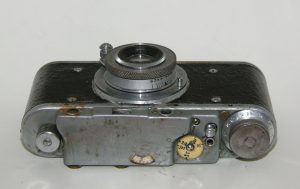
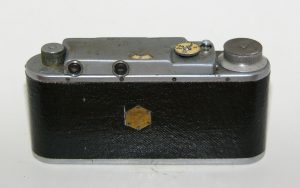
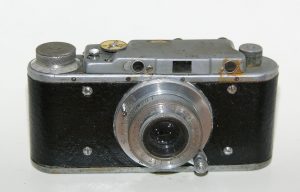
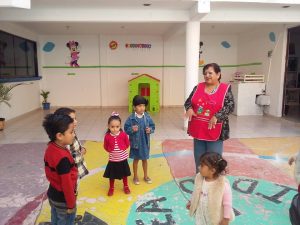
And the spirit of your grandfather, Anton Makarenko who saved the children and teenagers who built you, lives on today… even in the most remote places…

One comment
Leave a Reply
You must be logged in to post a comment.
What a beautiful story. Thank you for writing it so beautifully. This gives happiness, a rarity today.